We build agentic systems and automation your own people can run.
Every engagement is scoped to deliverables and built in our own secured environments wherever we can, then delivered into yours. We’ve built for leadership in aerospace and defence, inside a large healthcare organisation and for a wealth advisory business, and every handover is designed so your team owns what we built rather than depends on us.

How an engagement runs.
Step 1. Understand it
We start by working out how the process or system actually runs, from the people who operate it and the data it produces. You get that back in writing, along with anything we think shouldn’t be automated at all.
Step 2. Scope it
We agree the deliverables, what done means for each one, and who on your side will own and run them afterwards. That scope is what we’re held to.
Step 3. Secure it
Before the build starts we set up separate environments, give every agent its own identity, block outbound connections that haven’t been approved, write the threat model and put break-glass access in place.
Step 4. Build it
We build in our own secured environments wherever we can. You see progress against each deliverable while the work is under way.
Step 5. Hand it over
The handover is sized to your team. You get runbooks, documentation that matches what’s deployed, monitoring, a way to switch it off, and training for the people who’ll run it.
Step 6. Your call
Once it’s handed over, you decide whether we stay on to support it, run it for you, or leave.
Most of our work is agentic systems and automation.
Our Continuity lead spent more than six years at a large AI firm automating the back-end systems of government agencies, insurers and financial services firms before co-founding 308.
Agentic systems
An agent that can use tools has the same access as a privileged service account, so we design it that way. Each agent gets its own identity and never runs under a person’s account. Before it touches anything we decide what it can reach and what happens if it gets something wrong. A person reviews any action that can’t be undone, and every action the agent takes is recorded. Some processes shouldn’t have an agent at all, and we put that in writing before we build.
- Own identity per agent
- Human review where irreversible
- Every action recorded
Automation
We automate high-volume work where a mistake turns into an incident, like reconciliations, compliance returns and records handling. We map how the process really runs before we touch it, and sometimes that shows it needs redesigning first. Anything the automation can’t handle with confidence goes to a named person with the full context. It runs under supervision until it has a clean record, then it’s handed over with runbooks, monitoring and a kill switch your team can reach.
- Mapped before automated
- Exceptions to a named person
- Reachable kill switch

We also do this work.
Digital twin and simulation
We build a model of how a building or operation will run, calibrated against real data, so design decisions can be tested before they’re locked in. That’s what the NSW Health program below used.
Model assurance
Every model we stand up can say where its training data came from and which version of the data produced which version of the model. In production, a named person owns drift detection, and rollback is rehearsed before it’s needed.
Autonomous systems
Before any code is written we set down what the system is allowed to do, the conditions it works in and what it does when its inputs stop making sense. At the edge of what it can handle, it stops, holds a safe state and hands back to a person.
DevSecOps and secure pipelines
We design and build delivery pipelines with security in every stage, not bolted on at the end. Signed commits and builds, dependency and secret scanning, infrastructure as code checked against policy, a software bill of materials for every release and deploy keys that can only do one job. What reaches production is exactly what was reviewed, and nothing else can get there.
Clean-up and recovery
Called inBoth our founders are regularly called in once the incident responders and forensics teams have done their part, or when a stack has simply sprawled past anyone’s understanding. Like a pit crew after a crash, we put the pieces back together, strip the tooling back to what earns its place and get the most out of what stays. Then we close the gaps in risk and compliance so the same thing doesn’t happen twice. We’re tool agnostic, so the advice follows the problem, never a reseller margin.
- Pieces back together
- Gaps closed for good
- Tool agnostic
Work we can show you.
NSW Health
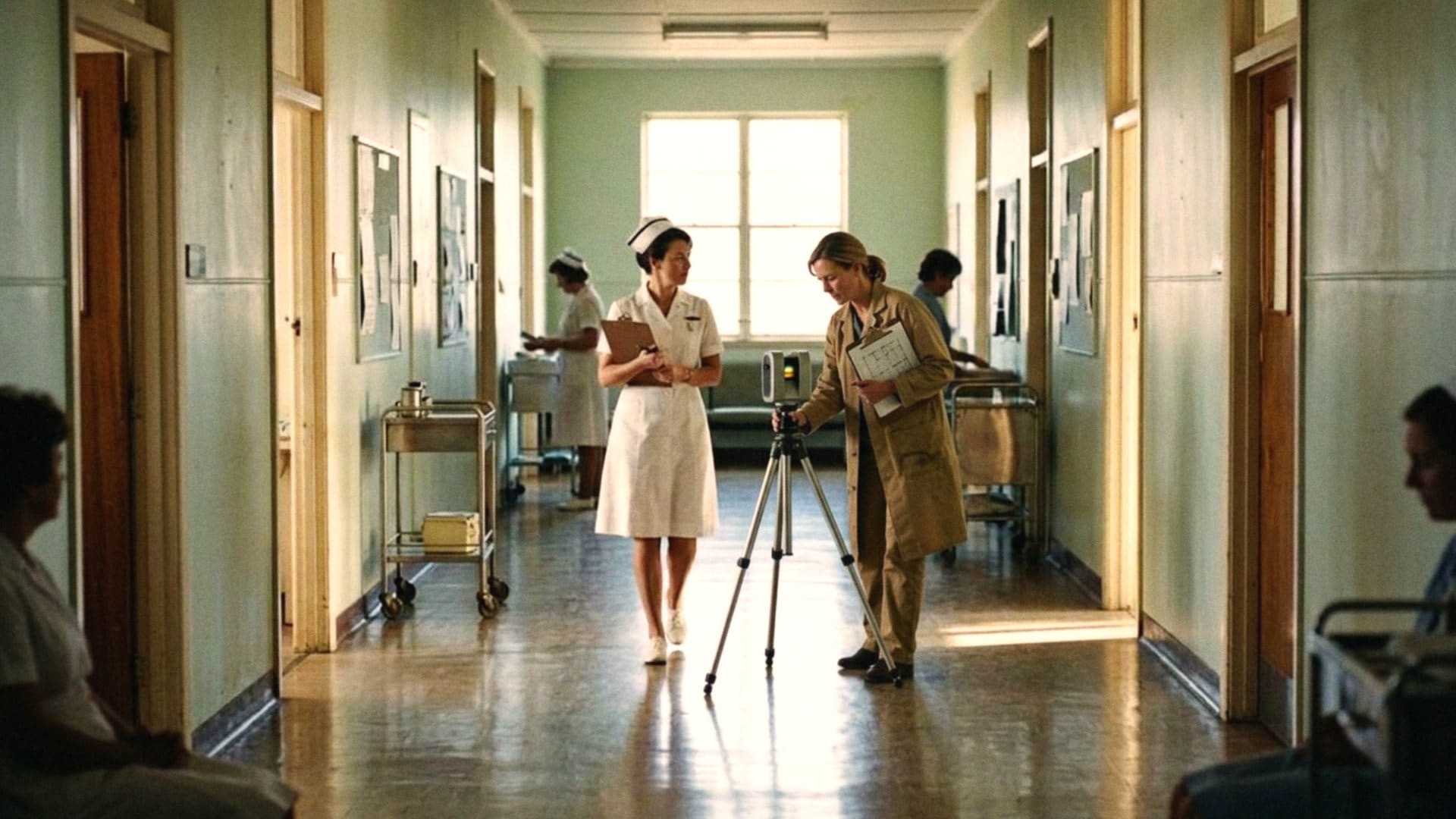
Public hospital design validationContinuity308 was brought in on a multi-million-dollar program for NSW Health to test the design of a new public hospital before it was built. Five workstreams, some qualitative and some quantitative, fed a working digital twin that checked the schematic and detailed designs against how the hospital would actually run.
- Five workstreams
- Working digital twin
- Two design phases tested
An Australian OEM
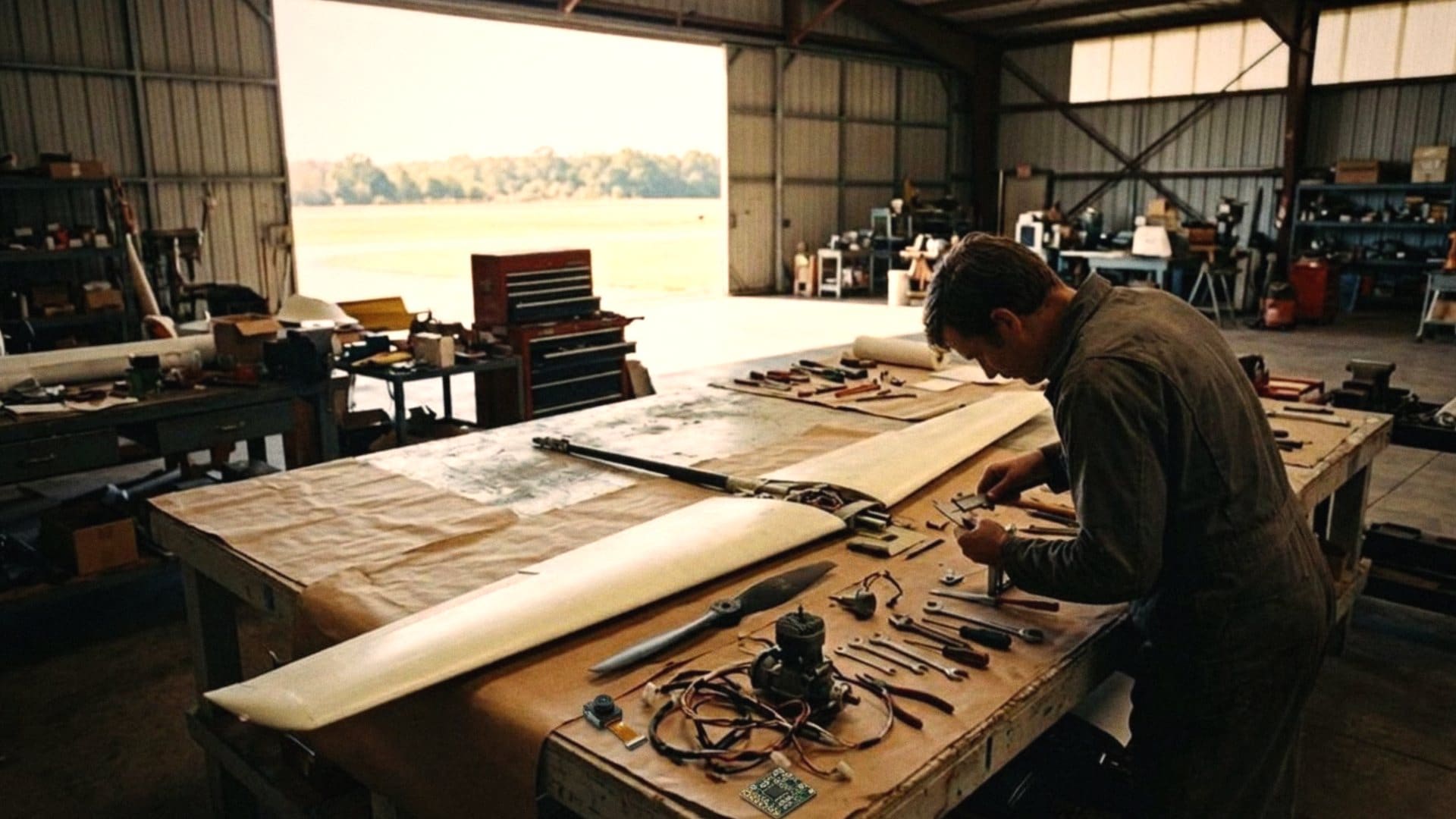
Uncrewed systemsContinuityWe automated the sales workflow across four product lines for an Australian manufacturer of uncrewed systems, using the tools they already owned. They brought us back to refine it, and their own team now runs it and keeps improving it.
- Four product lines
- Repeat engagement
- Run by their own team
Questions we get asked.
Do you embed personnel?
Not typically, though context can demand different things. Rather than placing people inside your team, we usually deliver scoped work and 308 is accountable for the result. Whether we stay on afterwards depends on your team’s capacity to run and support it, and that’s your call. Either way we design and build so the capability sits inside your organisation, without lock-in or a dependency on us.
Are we too small for 308?
No. Before we scope, we check whether something we’ve already built for ourselves would solve your problem. If it would, we’d rather give it to you free.
Who does the work, and where?
The work is done in Australia, or weighted toward your own country in line with how sensitive it is, and it’s always led from Sydney. When a specialist is needed, we tell you who they are and what they’re doing before they start, and 308 stays accountable for their work.
Can you tell us who you’ve worked with?
Client names stay off the site because of the environments they work in. Under NDA we’ll take you through the work itself, de-identified, in as much technical detail as our agreements with those clients allow.